Ja
  • English

  • Japanese

  • Korean
High-Rise Buildings

High-rise buildings present formidable fire safety challenges due to their height, population density, and the complexities of vertical evacuation . A fire can spread rapidly through vertical shafts, and managing a building-wide evacuation is a complex logistical operation.
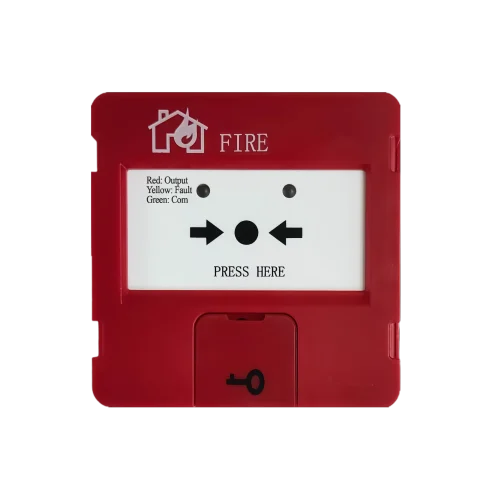

Managing Complexity from the Ground Up

  • Vertical Smoke Propagation: The "stack effect" can cause smoke to travel quickly between floors through elevator shafts and stairwells, endangering occupants far from the fire's origin .
  • Complex Evacuation Logistics: Simultaneously evacuating thousands of occupants from dozens of floors is impractical and dangerous. A phased approach is essential but requires sophisticated system control .
  • Communication Breakdown: During an emergency, reliable communication between fire services and building management, as well as clear instruction to occupants, is critical but difficult to maintain across a large, complex structure.
  • System Integrity and Networking: The fire alarm system must be robustly networked across the entire building to ensure that a single point of failure does not compromise the safety of the entire structure.

Networked Intelligence for Coordinated Response

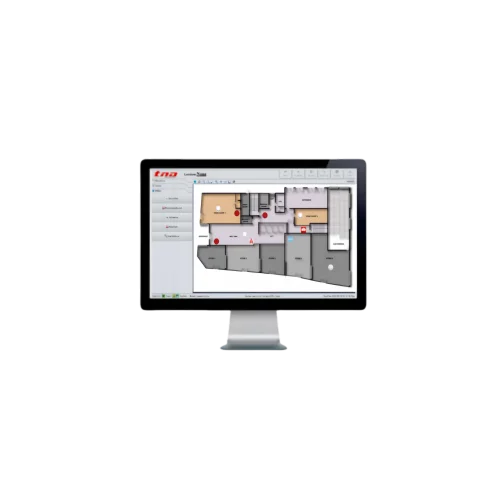
TNA's intelligent addressable fire alarm system provides the networked intelligence and robust control necessary for comprehensive life safety in high-rise buildings. Our solution enables centralized command and coordinated, phased responses to any emergency.

System Deployment

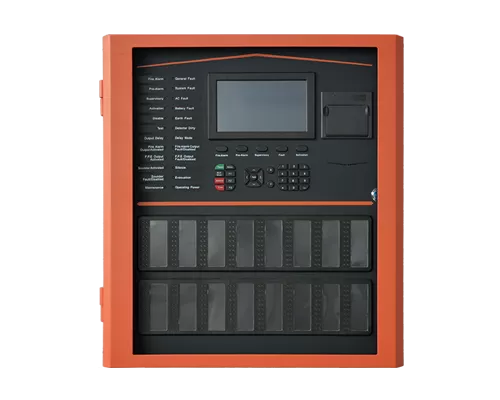
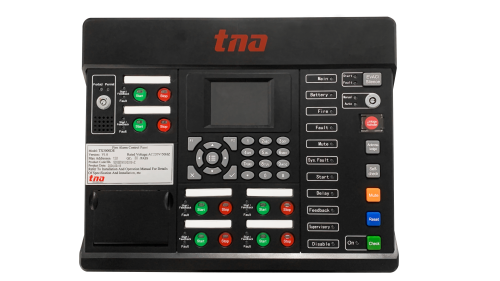
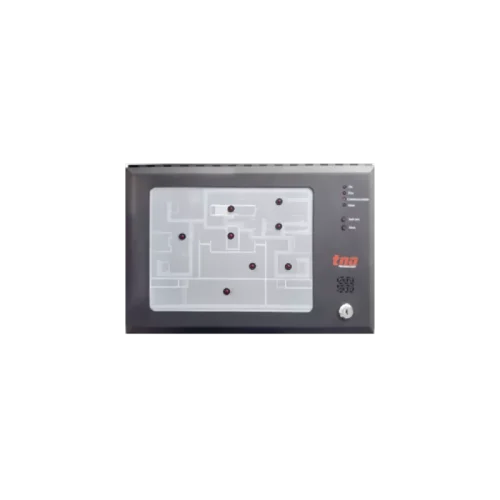
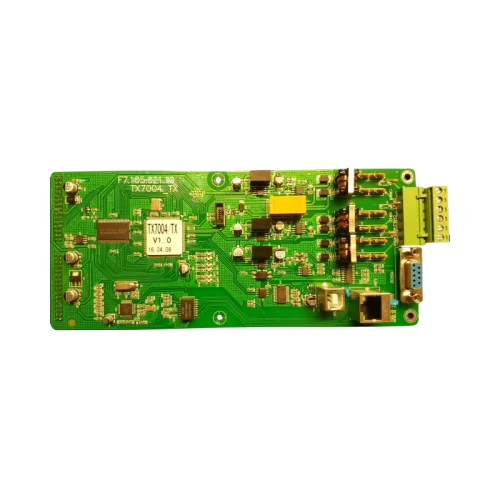
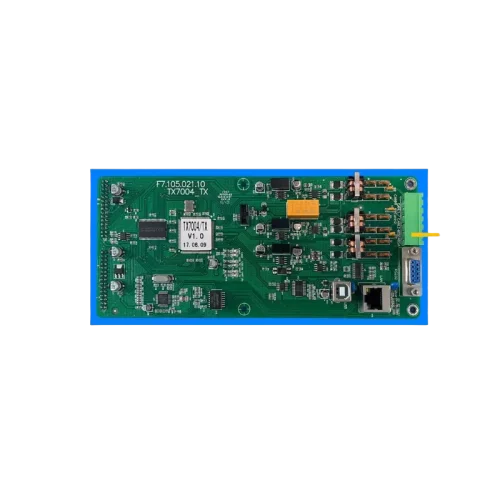
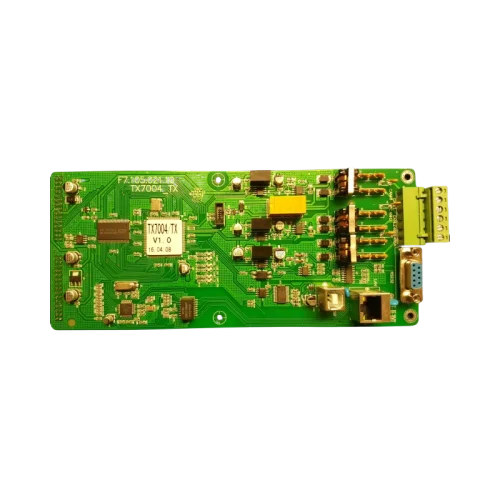
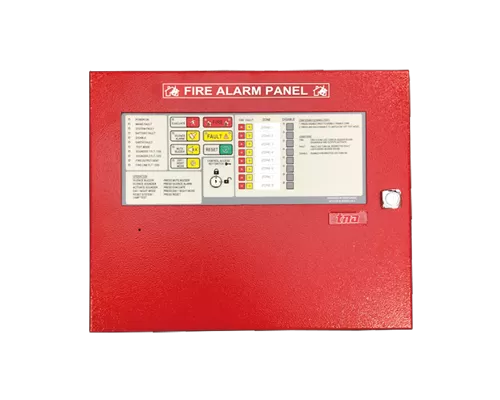
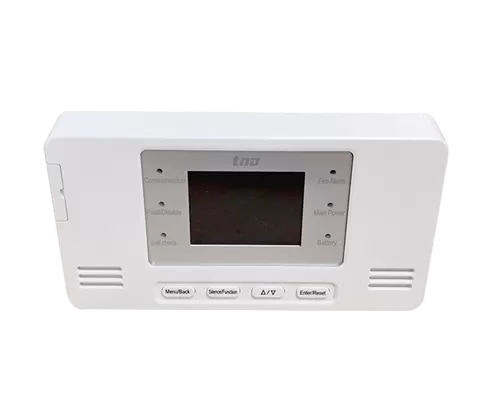
  • Networked Control Architecture: Distributed TX7004 Panels across floors or sections ensure resilient, continuous system operation.

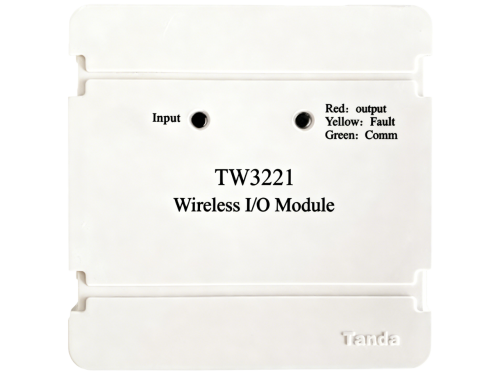
  • Phased Evacuation: Cause-and-effect logic with I/O Modules triggers alarms on the fire floor, plus the floor above and below, with information messages to others.

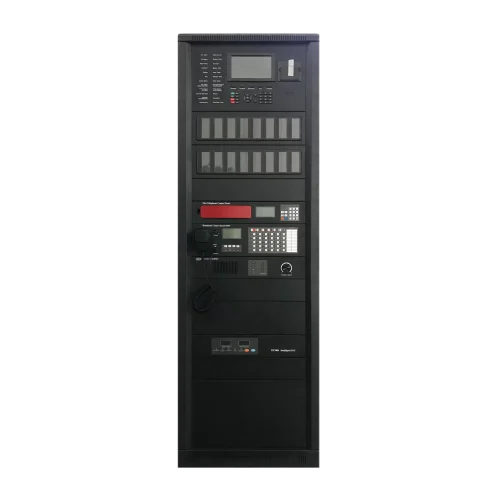
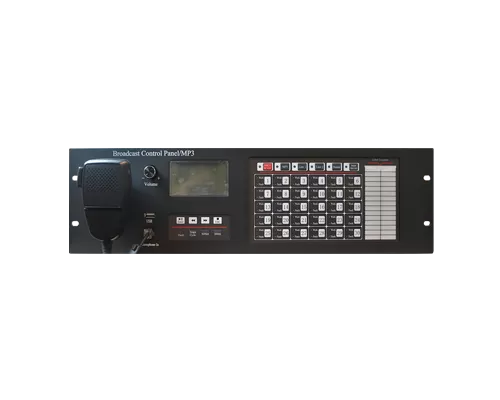
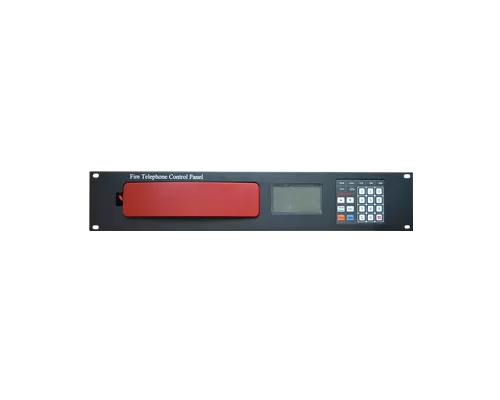
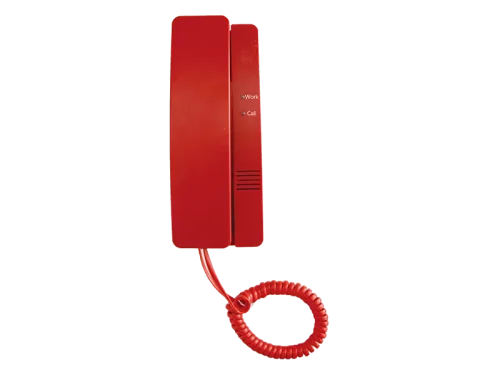
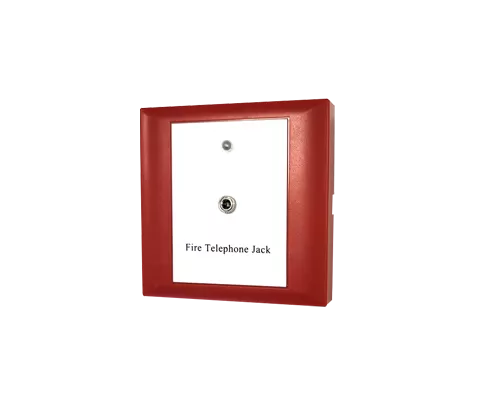
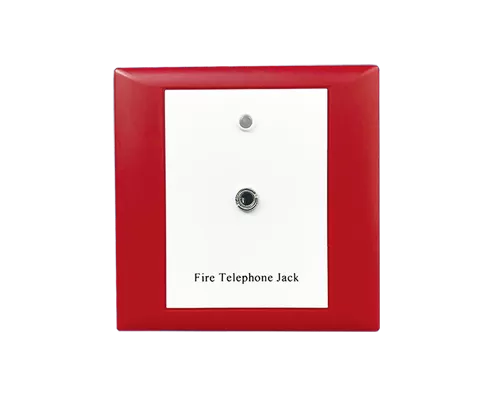
  • Firefighter Communication: The Fire Telephone System provides secure, building-wide two-way communication for coordinated response.

  • Smoke Control Integration: Relay Modules activate extraction, close dampers, and pressurize stairwells to maintain safe evacuation paths.

Benefits

Your Benefits

Enhanced Occupant Safety

Implement proven, intelligent phased evacuation strategies to maximize safety and minimize risk.

Centralized Command, Resilient Control

Manage the entire building's fire safety from a master control station while benefiting from a robust, fault-tolerant networked design.

Empowered Emergency Responders

Provide firefighters with the critical communication tools they need to operate safely and effectively.

Full Building Systems Integration

Achieve a cohesive life safety strategy by seamlessly linking the fire alarm with smoke control, elevators, and other critical building systems.

Blog

Discover Inspiration and Trends

View All Blog