Ko
  • English

  • Japanese

  • Korean
Data Centers

In a data center, the cost of downtime is measured in millions of dollars per minute. The primary objective of fire safety is not just to extinguish a fire, but to detect it at the earliest possible stage—often before visible smoke or flames appear—to prevent any damage to sensitive IT equipment and ensure absolute business continuity.

Ensuring Business Continuity Against Fire Threats

  • Incipient Fire Detection: Standard smoke detectors may be too slow to react. A fire must be detected at the "incipient" (pre-combustion) stage to prevent catastrophic damage from smoke, heat, and corrosive byproducts.
  • High Airflow Environments: The high-velocity airflow from cooling systems can dilute smoke, making it extremely difficult for traditional spot detectors to identify a fire source in time.
  • Suppression System Integration: Fire detection must be flawlessly integrated with specialized suppression systems, such as clean agent or inert gas, which must be activated reliably and without false discharge.
  • Orderly Shutdown Protocol: In a confirmed event, the system must trigger a coordinated shutdown of power (Emergency Power Off - EPO) and HVAC systems to prevent further damage and aid suppression efforts.

Very Early Warning and Intelligent Systems Integration

TNA provides an intelligent, multi-layered fire safety solution engineered for the zero-tolerance environment of a modern data center. Our system is built for speed, intelligence, and seamless integration with critical facility infrastructure.
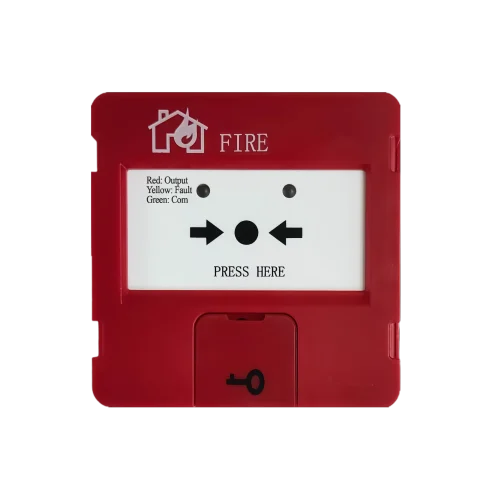
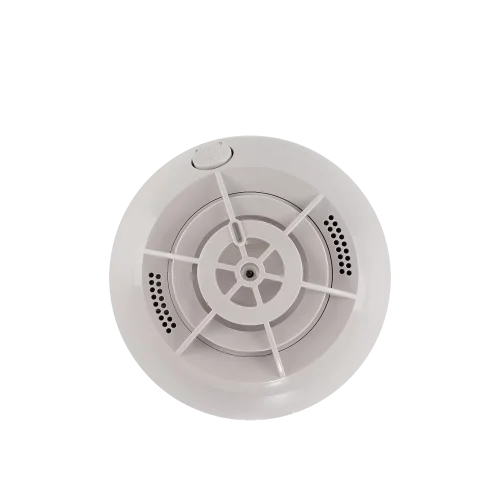
System Deployment

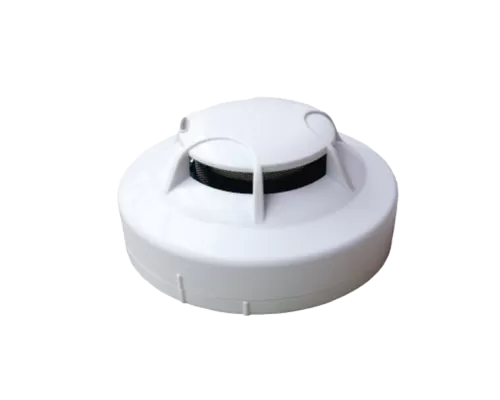
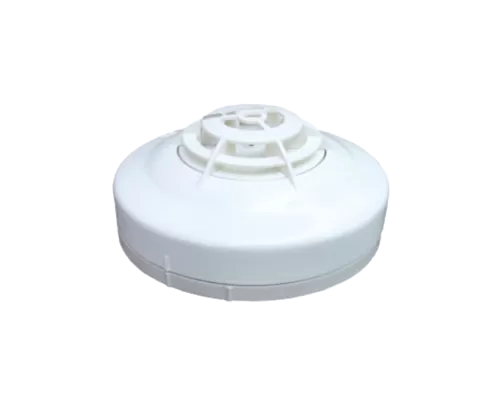
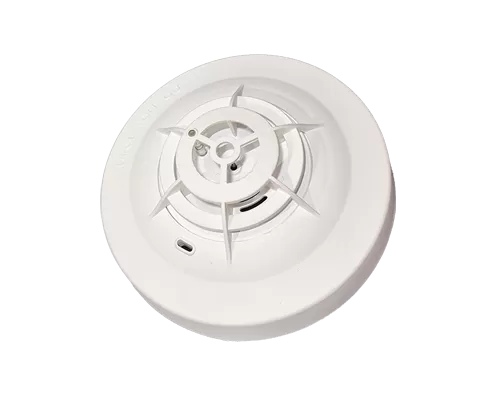
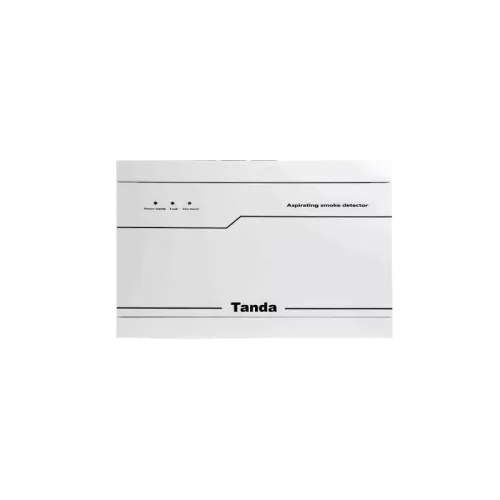
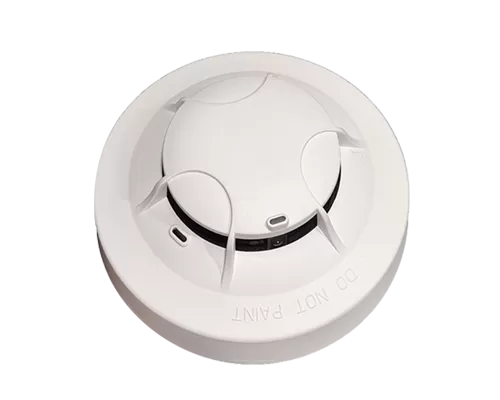
  • High-Sensitivity Detection: Intelligent Smoke Detectors configured for VEWFD monitor cold/hot aisles and CRAC/CRAH airflow for the earliest particulate signs.
  • Cross-Zoned Verification: Clean-agent release occurs only when two detectors in the same zone alarm, avoiding accidental discharge.
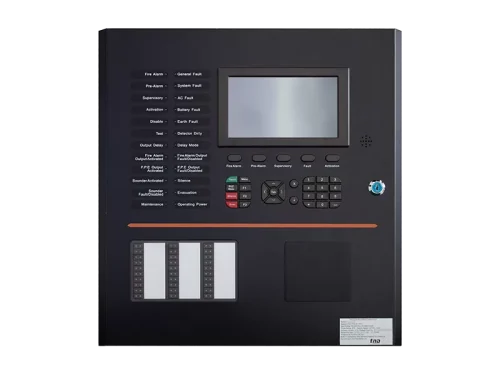
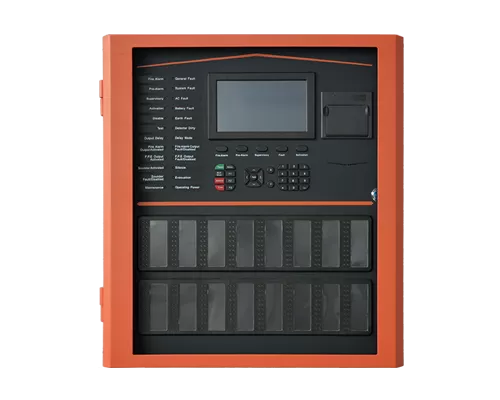
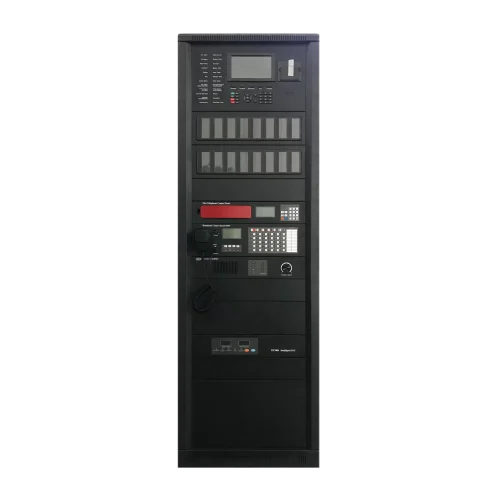
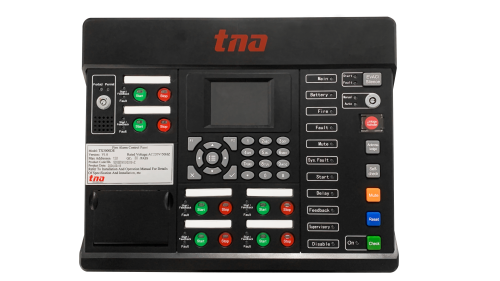
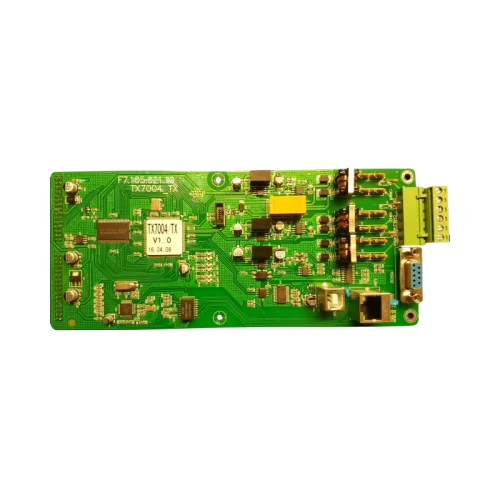
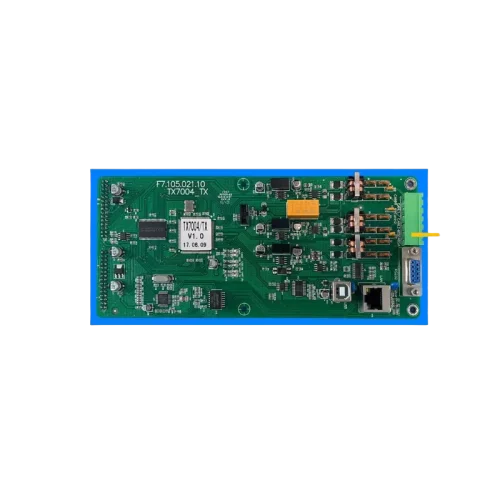
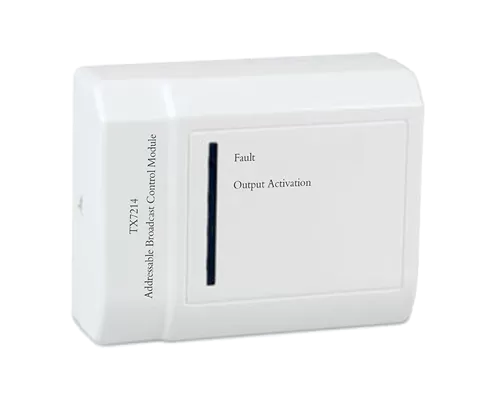
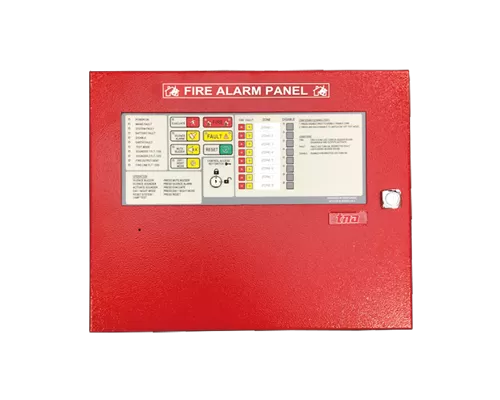
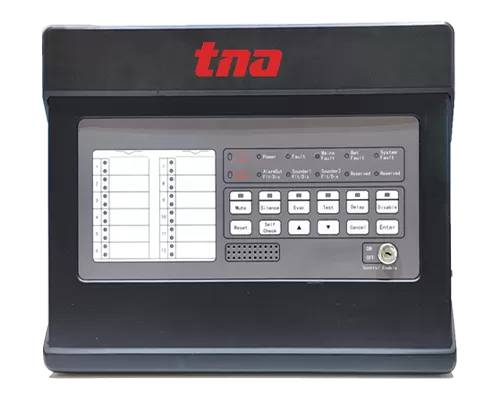
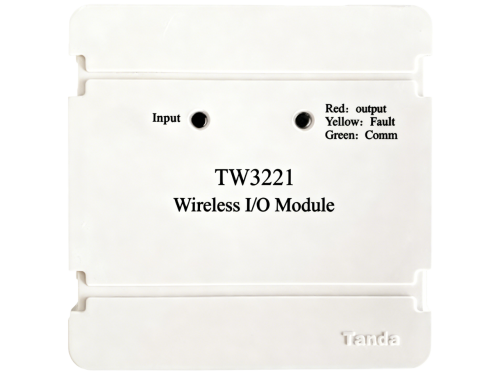
  • Suppression & EPO Integration: The TX7004 Panel controls the full sequence—pre-discharge alerts, damper closure, HVAC/power shutdown, and agent release—via I/O and Relay Modules.
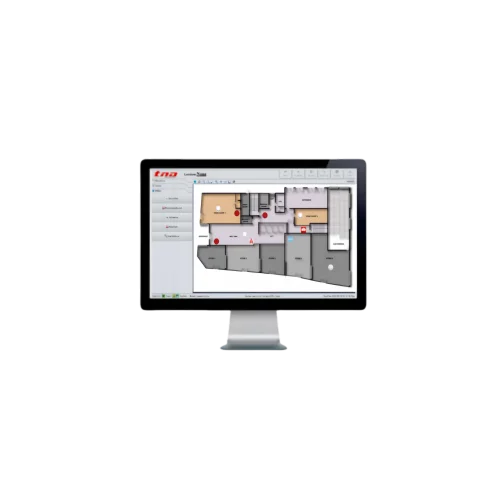
  • Centralized Monitoring: Real-time device status enables proactive maintenance and rapid threat response.
Benefits

Your Benefits

Maximized Uptime

Protect your business continuity with a system designed for the earliest possible detection of thermal events.

Prevention of Catastrophic Loss

Intervene long before a fire can damage irreplaceable data and expensive IT hardware.

False Discharge Prevention

Implement a highly reliable, cross-zoned system that eliminates the risk and cost of accidental suppression agent discharge.

Total System Integration

Achieve a fully automated and coordinated response that integrates detection, alarm, suppression, power, and HVAC for uncompromising protection.

Blog

Discover Inspiration and Trends

View All Blog